
Why Solar Production Drops in Winter (What’s Normal in California)
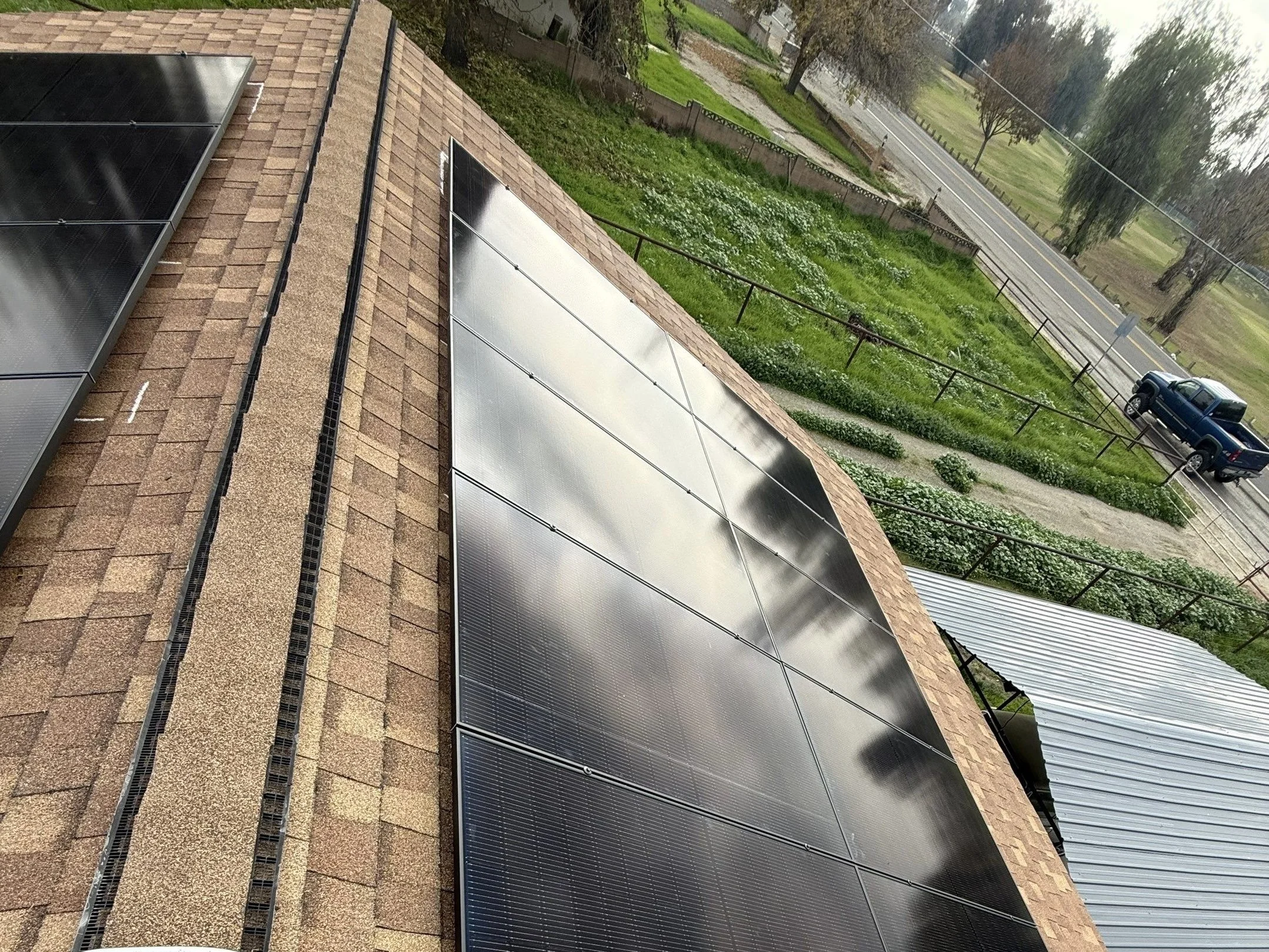
Solar panels produce less energy in winter due to shorter days, lower sun angles, and weather.
If you’re seeing lower solar production this winter, you’re not alone. This is one of the most common concerns homeowners have after installing solar, especially during their first winter.
In most cases, nothing is wrong. Solar systems are expected to produce less energy in winter, even when they’re working perfectly.
Here’s why that happens, what a normal seasonal drop looks like in California, and when it’s worth taking a closer look.
Shorter Days Mean Less Production
The simplest explanation is daylight.
Winter days are significantly shorter than summer days. Fewer daylight hours mean fewer hours for your solar panels to generate electricity. Even on clear winter days, your system has less time to produce energy than it does in summer.
This alone accounts for a large portion of the seasonal drop.
The Sun Is Lower in the Sky
In winter, the sun follows a lower path across the sky. Solar panels are fixed in place and typically angled to maximize annual production, not winter-only output.
Because sunlight hits the panels at a less direct angle in winter, production drops even on sunny days. This is expected and unavoidable.
Weather Has a Bigger Impact in Winter
Cloud cover, rain, fog, and storms reduce solar production. In California, this is especially noticeable during winter weather patterns, including coastal fog and prolonged overcast days.
Solar panels still produce energy in cloudy conditions, but output is lower and less consistent. A string of cloudy days can make monitoring apps look concerning even when the system is functioning normally.
How Much Lower Is Winter Production in California?
While the exact amount varies by home and location, real-world California data shows a clear seasonal pattern.
Many systems produce roughly 35–45% less energy in winter months compared to peak summer months, driven primarily by shorter days and lower sun angles. This range is typical and not a sign of a problem.
The important thing to remember is that solar systems are designed around annual energy production, not month-by-month perfection. Summer overproduction helps offset winter shortfalls over the course of the year.
Why the First Winter Feels the Most Alarming
Homeowners often panic during their first winter because they don’t yet have a full year of production data. Without context, winter output can look like underperformance.
Once you’ve seen a complete annual cycle, winter production usually feels less concerning because you know what’s normal for your system.
When Lower Production Might Be a Real Issue
Seasonal declines are normal. These situations are not:
A sudden, sustained drop with no weather explanation
Panels or inverters showing zero production for extended periods
Error messages or offline alerts that don’t resolve
Production significantly lower than the same winter period in prior years
If you notice these issues, it’s reasonable to contact your installer for a system check.
How to Use Your Monitoring App More Effectively
Daily production swings are normal in winter. One cloudy day can dramatically affect output, and that doesn’t reflect system health.
Instead of focusing on daily graphs:
Look at monthly trends
Compare against seasonal expectations
Use annual totals to judge overall performance
Solar performance only makes sense when viewed over time.
The Bottom Line
Solar production drops in winter because the seasons change, not because your system stopped working.
Shorter days, lower sun angles, and winter weather all reduce output. That behavior is built into system design and accounted for when your system is sized.
Understanding what’s normal makes it much easier to recognize real issues if and when they occur.
References
EnergySage – How winter weather affects solar panel power production
https://www.energysage.com/solar/solar-panels-in-winter-weather-snow-affect-power-production/US Power – Solar Production: Winter vs Summer in California (2025)
https://www.uspower.us/blog/solar-production-winter-vs-summer-california-2025U.S. Department of Energy – Solar Photovoltaic Hardening for Winter Weather
https://www.energy.gov/femp/solar-photovoltaic-hardening-resilience-winter-weather