
PG&E Virtual Power Plant Program: What It Is, What You Earn, and the Tradeoffs
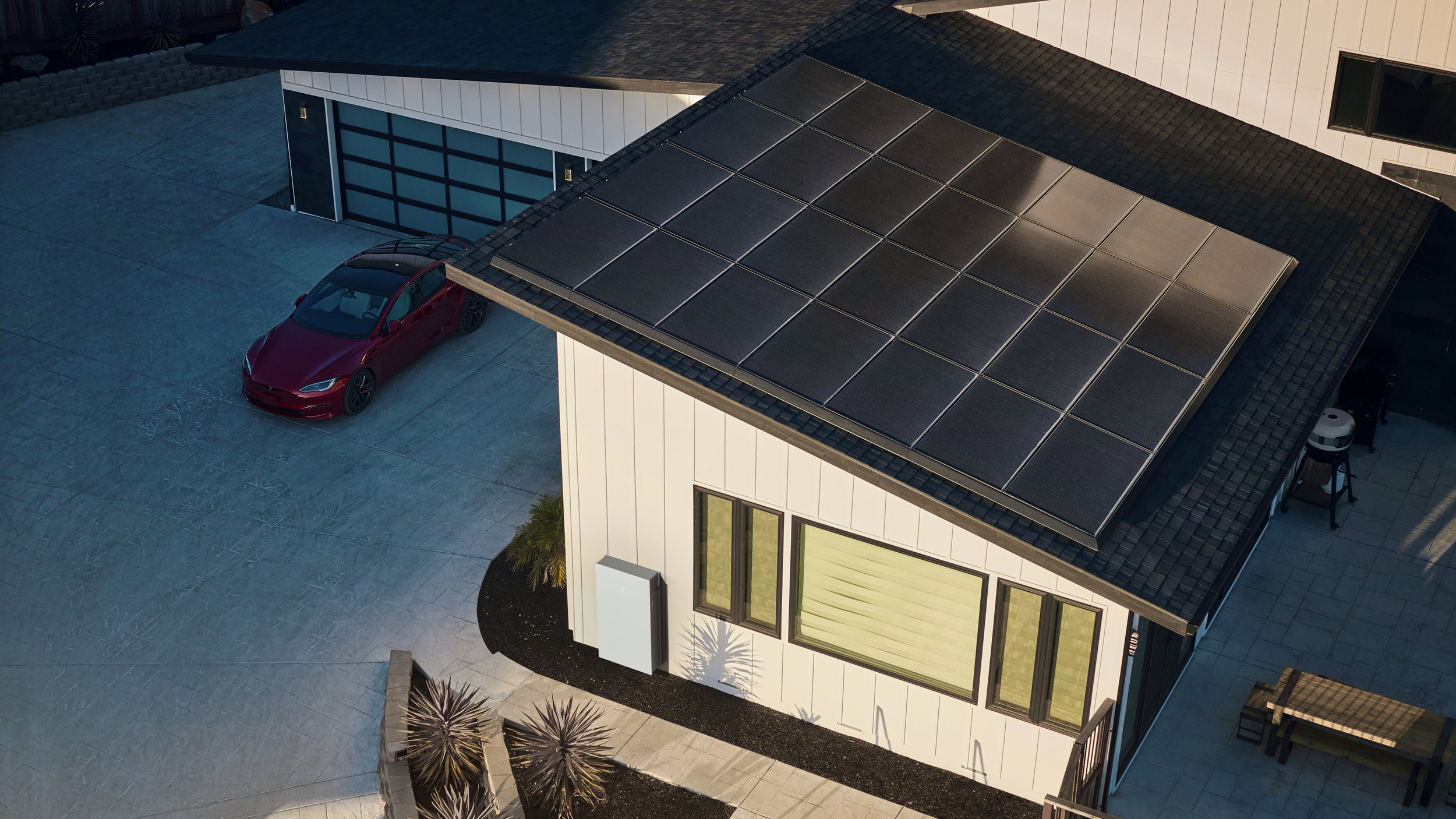
A residential home with rooftop solar panels, illustrating how individual homes can collectively support the grid through a virtual power plant program.
If you have a home battery in California, you’ve probably heard about PG&E’s Virtual Power Plant program. The pitch is usually framed as a win-win:
“Help the grid during emergencies. Get paid for it.”
That part is true. The rest deserves a closer look.
What PG&E’s Virtual Power Plant Actually Is
A Virtual Power Plant, or VPP, is a network of home batteries that can be coordinated to send power back to the grid during periods of high demand. Instead of relying only on traditional power plants, PG&E can temporarily draw energy from thousands of homes at once.
In a large California test highlighted by PG&E, residential batteries collectively delivered hundreds of megawatts to the grid. This isn’t theoretical. It’s real grid support, and utilities care a lot about it.
How Homeowners Participate
If you have a compatible battery system, your battery can be enrolled through an approved program provider. During a VPP event, your battery discharges energy to support the grid.
You’re paid based on how much energy your battery exports during those events.
Important clarification, because this trips people up all the time:
PG&E has collaborated with companies like Sunrun, but you do not need to go through Sunrun to participate. For example, Tesla Powerwall owners can enroll directly through Tesla when eligible. Sunrun is one pathway, not a requirement.
How Much Do You Actually Earn?
This is where expectations need to be reset.
VPP participation typically pays around $2 per kilowatt-hour exported during events. That sounds decent until you do the math.
Most homeowners end up earning tens to low hundreds of dollars per year, depending on:
How many events occur
How long they last
How much energy your battery is allowed to export
This is not a revenue stream. It’s a small incentive.
If someone is selling VPP participation as a way to “pay off” your battery, they’re overselling it.
Who Controls Your Battery During Events
When your battery is enrolled in a VPP, dispatch is automated. You don’t decide when events happen. You don’t approve each one manually.
What you can control is how much of your battery is off-limits. Most battery platforms allow you to set a backup reserve, which prevents the battery from discharging below a certain level.
You can also opt out of individual events or pause participation entirely, but the default assumption is that your battery will respond when the grid calls.
And yes, those calls tend to come during heat waves, late afternoons, and other moments when the grid is under stress. Coincidentally, those are also the moments many homeowners bought batteries to protect themselves from.
Why Utilities Push Virtual Power Plants
From PG&E’s perspective, VPPs are extremely attractive.
They provide fast, flexible grid support without building new power plants. They help reduce peak demand. They improve grid reliability using equipment homeowners already paid for.
From the utility side, it’s efficient. From the homeowner side, it’s optional — but only beneficial if you’re clear about the tradeoffs.
When a VPP Might Make Sense
Participating in a VPP can make sense if:
You already have a battery primarily for backup
You’re comfortable sharing some capacity during grid events
You view the incentive as a bonus, not a payoff strategy
It works best when reliability at your home is already strong and outages are rare.
Why Some Homeowners Opt Out
Many homeowners install batteries for one core reason: control.
They want backup power when the grid fails. They want predictability. They don’t want their stored energy spoken for during emergencies.
Once people understand that VPP participation trades some of that control for relatively small payouts, opting out becomes a rational choice — not an emotional one.
The Bottom Line
PG&E’s Virtual Power Plant program is real, functional, and valuable to the grid.
For homeowners, it’s not a scam — but it’s also not a game-changer. The financial upside is modest, and the biggest cost is giving up some autonomy over your battery during the moments when power matters most.
If energy independence and backup reliability are your priorities, treat VPP participation as optional. Helpful for the grid, useful in some situations, but not the reason to install a battery in the first place.
References
Tesla — PG&E Virtual Power Plant Program (Powerwall Participation & FAQs)
https://www.tesla.com/support/energy/virtual-power-plant/pgePG&E — Sunrun and PG&E Collaborate on Residential Battery-Powered Virtual Power Plant to Support Grid Reliability
https://www.pge.com/en/newsroom/currents/customer-service/articles-3649-sunrun-pge-collaborate-residential-battery-powered-virtual-power-plant-support-grid-reliability-electric-customers.htmlPG&E — Power to the People: California’s Biggest Battery Test Ever
https://www.pge.com/en/newsroom/currents/future-of-energy/power-to-the-people–california-s-biggest-battery-test-ever-just.htmlSolarReviews — Tesla Virtual Power Plant Program: What You Need to Know
https://www.solarreviews.com/blog/tesla-virtual-powerplant-program-what-you-need-to-know